Fill Out Your Nyc Housing Application Form
The NYC Housing Application form is a vital tool for those seeking public housing through the New York City Housing Authority (NYCHA). This form allows potential residents to apply for available housing units across the city's five boroughs. Applicants will need to provide specific information, including total household income, family composition, and current living situation. Eligibility is primarily based on the income limits defined for household sizes and whether the applicant meets NYCHA’s definition of a family, which can include single individuals or multi-person households related by various means. Additionally, an essential part of the application process involves selecting borough preferences, as well as understanding the priority system, which may influence how soon an application is processed. Notably, NYCHA emphasizes that there should be no fees associated with the application to safeguard against fraud. Applicants can check their application status through designated Customer Contact Centers, and the application remains active for two years from the submission date unless reapplication is necessary. It’s crucial for applicants to be aware of the eligibility criteria and housing priority definitions to enhance their chances of a successful application.
Nyc Housing Application Example
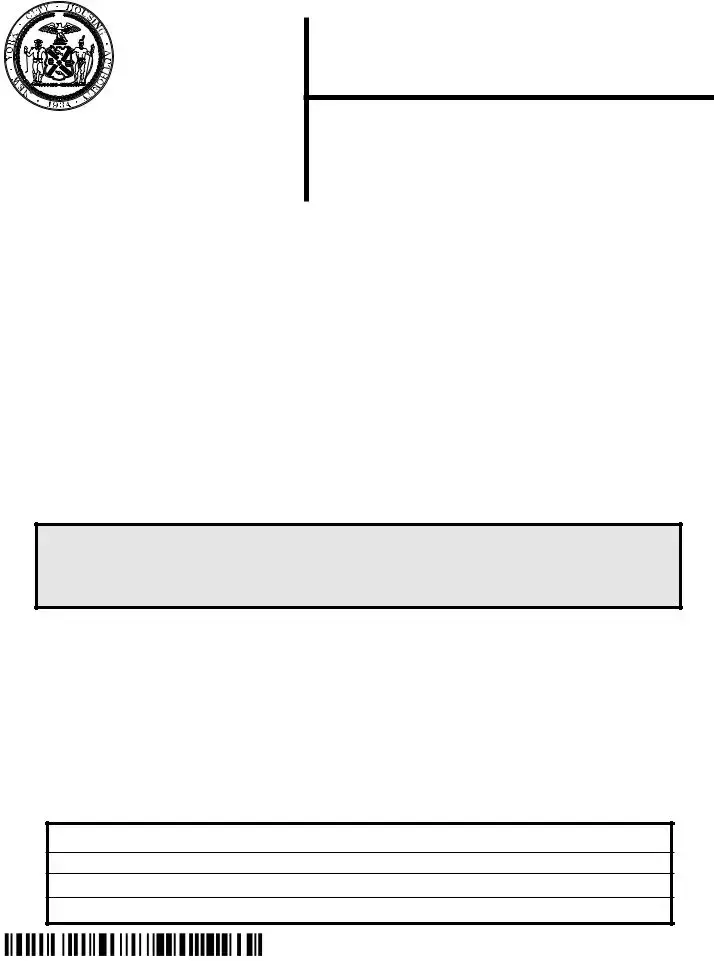
NEW YORK CITY HOUSING AUTHORITY
GUIDE TO APPLYING
FOR PUBLIC HOUSING
REVISED maRch 2014
A. The New York city housing authority operates 334 developments in all ive boroughs. All of our developments are listed in this booklet. If you wish to be considered for any of these developments, please apply online at our website:
https://apply.nycha.info/
B. IMPORTANT: No payment or fee should be given to anyone in connection with the preparation, filing or processing of an application for Public Housing.
C. YOU ARE PROBABLY ELIGIBLE FOR AN APARTMENT IF:
yThe income of your family does not exceed the limits shown on the following page.
yYou meet NYCHA’s deinition of family. The term “family” as used by the New York City Housing Authority includes the following:
a.Two or more persons related by blood, marriage, domestic partnership, adoption, guardianship or court awarded custody.
b.A single person.
yYour admission to a public housing development will not endanger the welfare and safety of other residents.
yYou and your
D. PROCESSING OF APPLICATIONS
Further description of the eligibility requirements for admission and the Authority’s Tenant Selection and Assignment Plan are available on our website or at the Customer Contact Centers listed below:
1.Bronx/ M anhattan
Customer Contact Center
478 East Fordham Road, 2nd Floor Bronx, NY 10458
2. Queens |
3. Brooklyn/ Staten Island |
Customer Contact Center |
Customer Contact Center |
787 Atlantic Avenue, 2nd Floor |
|
Jamaica, NY 11435 |
Brooklyn, NY 11238 |
4.You can speak to one of our Customer Contact Center Representatives at (718)
The translation is provided to you as a convenience to assist you to understand your rights and obligations.
The English language version of this document is the official, legal, controlling document.
The translation is not an official document.
A translation of this document is available online at www.nyc.gov/nycha
La traducción de este documento está disponible en Internet en www.nyc.gov/nycha
房屋局網站 (網址: www.nyc.gov/nycha) 備有文件譯本可供索取。
Перевод этого документа находится на интернете www.nyc.gov/nycha.
NYCHA 070.008 (Rev. 3/18/14)v11
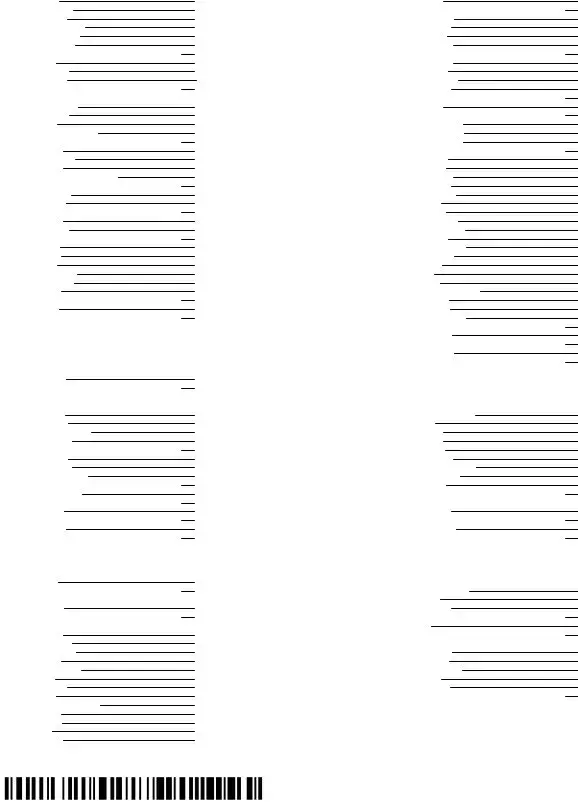
E. YOUR FAMILY MAY BE ELIGIBLE IF INCOME IS
1. R E N T |
|
a. PERSONS |
|
b. INCOME |
|
|
|
|
|
||||
Actual rent based on 30% of gross |
|
IN FAMILY |
|
LIMITS |
|
|
adjusted family income. |
|
|
|
|
|
|
|
|
1 Person |
|
$47,000 |
|
|
Rent includes gas and electricity |
|
|
|
|||
|
|
|
|
|
||
|
|
|
|
|
||
in most developments. |
|
|
2 Persons |
|
$53,700 |
|
|
|
|
|
|
|
|
BRONX |
|
|
|
|
BROOKLYN |
|
Adams Houses |
E. 156th St. and Tinton Ave. |
|
Albany Houses |
|||
Baychester Houses |
E. 225th St. and Schieffelin Ave. |
|
|
|
||
Betances Houses |
E. 146th St. and Brook Ave. |
|
Armstrong Houses |
|||
Boston - Secor Houses |
Boston Rd. and Bivonia St. |
|
Bay View Houses |
|||
Bronxchester Houses |
E. 156th St. and St. Ann’s Ave. |
|
Borinquen Plaza |
|||
Bronx River Houses |
E. 174th St. and Bronx River Ave. |
|
Boulevard Houses |
|||
Includes |
Boynton Ave. Rehab |
|
|
|
||
Butler Houses |
E. 171st St. and Webster Ave. |
|
Breukelen Houses |
|||
Castle Hill Houses |
Randall and Castle Hill Aves. |
|
Brevoort Houses |
|||
Claremont Rehab |
E.167th St. and Teller Ave. |
|
Brownsville Houses |
|||
Includes |
1100 Teller – E. 166th St. |
|
Bushwick Houses |
|||
|
1162 – 1176 Washington Ave. |
|
|
|
||
Eastchester Gardens |
Burke and Yates Aves. |
|
Carey Gardens |
|||
Edenwald Houses |
E. 229th St. and Laconia Ave. |
|
|
|
||
Forest Houses |
E. 165th St. and Trinity Ave. |
|
Coney Island Houses |
|||
Fort Independence Houses |
Ft. Independence St. and Heath Ave. |
|
Cooper Park Houses |
|||
Includes |
W. 193rd St. and Bailey Ave. |
|
Cypress Hills Houses |
|||
Gun Hill Houses |
Magenta St. and Holland Ave. |
|
|
|
||
Highbridge Gardens |
W. 167th St. and University Ave. |
|
Farragut Houses |
|||
Jackson Houses |
E. 158th St. and Courtlandt Ave. |
|
Glenmore Plaza |
|||
Justice Sonia Sotomayor Houses |
Rosedale and Watson Aves. |
|
Glenwood Houses |
|||
Includes |
1471 Watson Ave. |
|
Gowanus Houses |
|||
Marble Hill Houses |
W. 225th St. and Broadway |
|
Gravesend Houses |
|||
McKinley Houses |
E. 161st St. – Tinton Ave. |
|
Hope Gardens |
|||
Includes |
Eagle Ave E.163rd St. |
|
Howard Houses |
|||
Melrose Houses |
E. 153rd St. and Morris Ave. |
|
Hughes Apartments |
|||
Mill Brook Houses |
E. 135th St and St. Ann’s Ave. |
|
Independence Towers |
|||
Includes |
Mill Brook Extension |
|
Ingersoll Houses |
|||
Mitchel Houses |
E. 135th St. and Willis Ave. |
|
Kingsborough Houses |
|||
Monroe Houses |
Rosedale and Story Aves. |
|
Lafayette Gardens |
|||
Morris Houses |
E. 169th St. and Third Ave. |
|
Linden Houses |
|||
Morrisania Air Rights |
E. 161st St. and Park Ave. |
|
Low Houses |
|||
Mott Haven Houses |
E. 141st St. and Willis Ave. |
|
Marcy Houses |
|||
Murphy Houses |
E. 178th St. and West Farms Rd. |
|
Marcy Ave. – Greene Ave. |
|||
Includes |
1010 E. 178th St. |
|
Marlboro Houses |
|||
Murphy Private |
Various Sites |
|
|
Nostrand Houses |
||
Includes |
E. 173rd St. – Vyse Ave. |
|
Ocean Hill Apartments |
|||
|
Bryant Ave. – E. 174th St. |
|
|
|
||
|
Hoe Ave. – East 173rd St. |
|
O’Dwyer Gardens |
|||
|
E. 165th St. – Bryant Ave. |
|
|
|
||
|
Longfellow Ave. Rehab |
|
Park Rock Houses |
|||
|
Hunts Point Ave. Rehab |
|
|
|
||
|
West Farm Road Rehab |
|
|
|
||
Nelson/Anderson |
W. 166th St. and Nelson Ave. |
|
|
|
||
Includes |
Franklin Ave I, II |
|
|
|
|
|
|
1143 Longfellow Ave. |
|
|
|
||
|
631 Jefferson Pl |
|
|
|
|
|
Parkside Houses |
White Plains Rd. and Arnow Ave. |
|
Penn – Wortman Houses |
|||
Patterson Houses |
E. 143rd St. and Morris Ave. |
|
Pink Houses |
|||
Pelham Parkway Houses |
Bronxwood and Waring Aves. |
|
Marcus Garvey |
|||
Sack Wern Houses |
Lafayette and Noble Aves. |
|
Red Hook East |
|||
Includes |
Clason Point Gardens |
|
Red Hook West |
|||
Sedgwick Houses |
W. 174th St. and University Ave. |
|
Roosevelt Houses |
|||
Soundview Houses |
Seward and Rosedale Aves. |
|
Sheepshead Bay Houses |
|||
St. Mary’s Park Houses |
E. 149th St. and Cauldwell Ave. |
|
Stuyvesant Gardens |
|||
Includes |
Moore Houses |
|
|
Sumner Houses |
||
Throggs Neck Houses |
Schley and Randall Aves. |
|
|
|
||
Includes |
Throggs Neck Addition |
|
|
|
||
Twin Parks West |
Ford St. and Webster Ave. |
|
Surfside Gardens |
|||
Includes |
E. 180th St. and Monterey Ave. |
|
|
|
||
Union Ave Rehab |
Various sites |
|
|
Tapscott St. Rehab |
||
Includes |
Davidson Houses |
|
|
|
||
|
Claremont Parkway – Franklin Ave. |
|
|
|
||
|
Stebbins Ave. – Hewitt Place |
|
|
|
||
|
South Bronx Site 402 |
|
|
|
||
|
Union Ave. – E. 166th St. |
|
|
|
||
University Ave. |
Various Sites |
|
|
|
|
|
Includes |
Harrison Ave. Rehab |
|
Taylor – Wythe Houses |
|||
|
University Ave. Rehab |
|
Tilden Houses |
|||
Webster Houses |
E. 169th St. and Webster Ave. |
|
Tompkins Houses |
|||
Includes |
Morrisania Houses |
|
|
|
||
BRONX SENIOR |
|
|
|
|
Unity Plaza |
|
Betances Senior |
E. 144th St. and Brook Ave. |
|
|
|
||
Boston Road Plaza |
Boston Rd. and Waring Ave. |
|
|
|
||
Bronx River Addition |
E. 174th St. and Harrod Ave. |
|
Van Dyke Houses |
|||
College Avenue |
College Ave. and E. 165th St. |
|
Whitman Houses |
|||
Courtlandt Ave Senior |
E. 153rd St. and Morris Ave. |
|
Williamsburg Houses |
|||
Glebe Avenue |
Glebe and Westchester Aves. |
|
Williams Plaza |
|||
Middletown Plaza |
Middletown Rd. and Jarvis Ave. |
|
Wyckoff Gardens |
|||
Mitchel Senior |
E. 135th St. and Willis Ave. |
|
|
|
||
Morrisania Air Rights Senior |
E. 161st St. and Park Ave. |
|
|
|
||
Randall and Balcom Aves. |
|
|
|
|||
Twin Parks East |
Clinton Ave. and E. 180th St. |
|
|
|
||
Union Senior |
E. 163rd St. and Polite Ave. |
|
|
|
||
W. Tremont Ave. |
W. Tremont and Sedgwick Aves. |
|
|
|
||
a. PERSONS |
|
b. INCOME |
|
||
IN FAMILY |
|
LIMITS |
|
|
|
3 Persons |
|
$60,400 |
|
|
|
4 Persons |
|
$67,100 |
|
|
|
|
Park Pl. and Troy Ave. |
Includes |
Weeksville Gardens |
|
Bedford and Lexington Aves. |
|
Rockaway Parkway & Seaview Ave. |
|
Seigel and Humboldt Sts. |
|
Ashford St. and Linden Blvd. |
Includes |
Belmont – Sutter |
|
E. 108th St. and Flatlands Ave. |
|
Fulton St. and Ralph Ave. |
|
Blake and Rockaway Aves. |
|
Flushing and Bushwick Aves. |
Includes |
Hylan Houses |
|
W. 24th St. and Surf Ave. |
Includes |
Coney Island Site 1B |
|
W. 29th St. and Surf Ave. |
|
Frost St. and Morgan Ave. |
|
Euclid and Sutter Aves. |
Includes |
E. New York City Line |
|
Nassau and Navy Sts. |
|
Christopher and Pitkin Aves. |
|
Farragut Rd. and Ralph Ave. |
|
Hoyt and Wyckoff Sts. |
|
W. 33rd St. and Neptune Ave. |
|
Wilson Ave. and Linden St. |
|
E. New York and Rockaway Aves. |
|
Sutter Ave. & Mother Gaston Blvd. |
|
Taylor St. and Bedford Ave. |
|
Prince St. and Myrtle Ave. |
|
Paciic St. and Ralph Ave. |
|
Classon & Lafayette Aves. |
|
Van Siclen and Wortman Aves. |
|
Belmont and Powell Aves. |
|
Park and Marcy Aves. |
|
Lexington and Greene Aves. |
|
86th St. and Ave. X |
|
Ave. W and Batchelder St. |
|
MacDougal St. & Mother Gaston Blvd. |
Includes |
Saratoga Village |
|
W. 33rd St. and Surf Ave. |
Includes |
Coney Island Site 8 |
|
St. Marks and Ralph Aves. |
Includes |
Crown Heights |
|
Howard Ave. |
|
Howard Ave. – Park Place |
|
Ocean Hill – Brownsville |
|
Sterling – Buffalo |
|
St. John’s – Sterling |
|
Pennsylvania and Wortman Aves. |
|
Crescent St. and Linden Blvd. |
|
Amboy St. and East New York Ave. |
|
Henry and Mill Sts. |
|
Dwight and Colombia Sts. |
|
Pulaski St. and Lewis Ave. |
|
Ave. W and Nostrand Ave. |
|
Gates and Stuyvesant Aves. |
|
Lewis Ave. and Stockton St. |
Includes |
Vernon Ave. |
|
|
|
W. 31st St. and Surf Ave. |
Includes |
Coney Island Sites 4 and 5 |
|
Various Sites |
Includes |
Fenimore – Lefferts |
|
Rutland Towers |
|
Lenox Road – Rockaway Parkway |
|
Ralph Ave. Rehab |
|
Sutter Ave. – Union St. |
|
|
|
Taylor St. and Wythe Ave. |
|
Rockaway and Dumont Aves. |
|
Park and Tompkins Aves. |
Includes |
Berry St. – South 9th St. |
|
Blake and Alabama Aves. |
Includes |
Fiorentino Plaza |
|
Long Island Baptist Houses |
|
Blake and Powell Aves. |
|
Myrtle and Carlton Aves. |
|
Maujer and Leonard Sts. |
|
Roebling St. and Division Ave. |
|
Wyckoff and Nevins Sts. |
Includes |
Atlantic Terminal |
|
572 Warren St. |
NYCHA 070.008(Rev. 3/18/14)v11
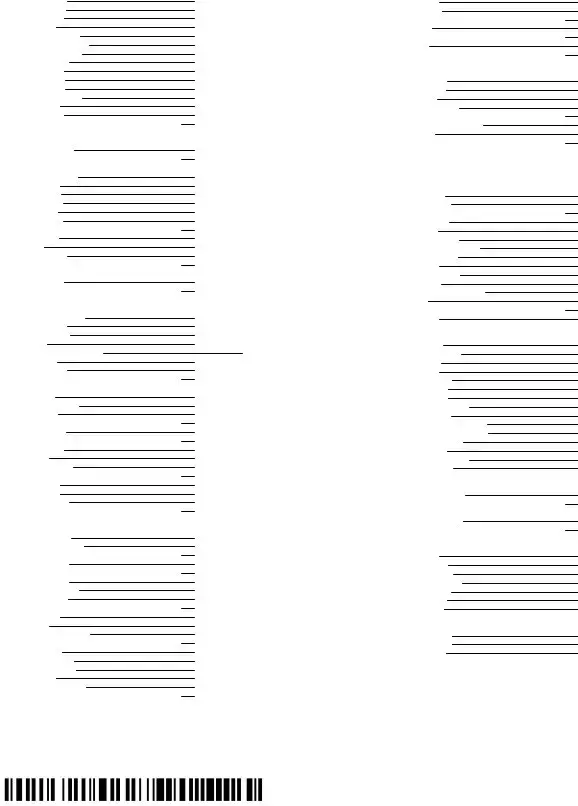
NOT MORE THAN THE FOLLOWING AMOUNTS:
a. PERSONS |
|
b. INCOME |
|
a. PERSONS |
|
b. INCOME |
|
|
|||||
IN FAMILY |
|
LIMITS |
|
IN FAMILY |
|
LIMITS |
|
|
|
|
|
|
|
5 Persons |
|
$72,500 |
|
7 Persons |
|
$83,250 |
|
|
|
|
|
|
|
6 Persons |
|
$77,850 |
|
8 Persons |
|
$88,600 |
|
|
|
|
|
|
|
BROOKLYN SENIOR |
|
MANHATTAN |
Armstrong Senior |
Bedford and Lexington Aves. |
Smith Houses |
Borinquen Senior |
Seigel St. and Manhattan Ave. |
Straus Houses |
Reverend Brown |
Thomas Boyland St. & St. Mark’s Ave. |
|
Haber Houses |
W. 24th St. and Surf Ave. |
Taft Houses |
Hope Gardens Senior |
Wilson Ave. and Linden St. |
|
Kingsborough Extension |
Bergen St. and Buffalo Ave. |
Taft Rehab |
Marcus Garvey Senior |
Thomas Boyland St. and East New York Ave. |
|
Palmetto Gardens |
Palmetto St. and Evergreen Ave. |
|
Reid Apartments |
Troy and East New York Aves. |
|
Roosevelt Senior |
Pulaski St. and Lewis Ave. |
Vladeck Houses |
Saratoga Square |
Saratoga Ave. and Macon St. |
Wagner Houses |
Stuyvesant Gardens II |
Malcolm X Blvd. and Gates Ave. |
Wald Houses |
Surfside Senior |
W. 31st St. and Surf Ave. |
Washington Houses |
Vandalia Avenue |
Louisiana and Vandalia Aves. |
|
Includes |
Van Dyke II Houses |
Washington Heights Rehab |
|
|
Wise Towers |
MANHATTAN |
|
|
a. PERSONS |
|
b. INCOME |
|
||
IN FAMILY |
|
LIMITS |
|
|
|
9 Persons |
|
$93,950 |
|
|
|
10 Persons |
|
$99,300 |
|
|
|
|
Madison St. and St. James Place |
|
E. 28th St. and Second Ave. |
Includes |
344 E. 28th St. |
|
E. 112th St and Madison Ave. |
Includes |
131 St. Nicholas Ave. |
|
Various sites |
Includes |
218 W. 112th St. |
|
201 and 203 W. 117th St. |
|
95 W. 119th St. |
|
Madison and Gouverneur Sts. |
|
E. 123rd St. and First Ave. |
|
E. 6th St. and Ave. D |
|
E. 99th St. and Third Ave. |
Includes |
Lexington Houses |
|
W. 164th St. and Ft Washington Ave. |
|
W. 90th St. and Columbus Ave. |
Includes |
De Hostos Apartments |
Amsterdam Houses |
W. 61st St. and Amsterdam Ave. |
Includes |
Amsterdam Addition |
|
Harborview Terrace |
Audubon Apartments |
W. 155th St. and Amsterdam Ave. |
Baruch Houses |
Colombia and Delancey Sts. |
Campos Plaza I |
E. 12th St. and Ave. C |
Campos Plaza II |
E. 13th St. and Ave. C |
Carver Houses |
E. 102nd St. and Madison Ave. |
Chelsea Houses |
W. 26th St. and Ninth Ave. |
Includes |
Elliott Houses |
Clinton Houses |
E. 109th St. and Lexington Ave. |
Dome Site |
W. 84th St. and Amsterdam Ave. |
Douglass Houses |
W. 103rd St. and Columbus Ave. |
Includes |
Douglass Addition |
|
830 Amsterdam Ave. |
Douglass Rehab |
Various sites |
Includes |
|
|
241 W. 101st St. |
|
244 West 104th St. |
Drew Hamilton Houses |
W. 142nd St. & Adam Clayton Powell Blvd. |
Dyckman Houses |
Dyckman St. and Nagle Ave. |
East River Houses |
E. 105th St. and First Ave. |
East 4th St. |
E. 4th St. and Ave. C |
East 120th St. |
E. 120th St. and Pleasant Ave. |
Fulton Houses |
W. 17th St. and Ninth Ave. |
Gompers Houses |
Delancey and Pitt Sts. |
Includes |
Hernandez Houses |
|
Lower East Side I Inill |
Grant Houses |
W. 125th St. and Amsterdam Ave. |
Harlem River Houses |
W. 151st St & Adam Clayton Powell Blvd. |
Isaacs Houses |
E. 93rd St. and First Ave. |
Includes |
Holmes Towers |
Jefferson Houses |
E. 115th St. and Third Ave. |
Includes |
335 E. 111th St. |
Johnson Houses |
E. 114th St. and Lexington Ave. |
King Towers |
W. 115th St. and Fifth Ave. |
La Guardia Houses |
Madison and Montgomery Sts. |
Includes |
Two Bridges |
Lehman Village |
E. 108th St. and Madison Ave. |
Lincoln Houses |
E. 132nd St. and Madison Ave. |
Lower East Side II |
E. 5th St. and Ave. C |
Includes |
Bracetti Plaza |
|
First Houses |
|
LES V Houses |
Lower East Side III |
E. 9th St. and Ave. D |
Manhattanville Houses |
W. 126th St. and Broadway |
Includes |
Manhattanville Rehab |
Metro North Plaza |
E. 101st and First Ave. |
Includes |
Wilson Houses |
Milbank – Frawley |
E. 117th St. and Madison Ave. |
Polo Grounds Towers |
W. 155th St. and Frederick Douglass Blvd. |
Randolph Houses |
W. 114th St. and Frederick Douglass Blvd. |
Includes |
Grampion Houses |
Rangel Houses |
W. 159th St. and Harlem River Drive |
Riis Houses |
E. 10th St. and Ave. D |
Jackie Robinson Houses |
E. 128th St. and Lexington Ave. |
Includes |
Park Ave. – 122nd,123rd St. |
Rutgers Houses |
Madison and Pike Sts. |
Samuel Apartments |
W. 144th St. & Adam Clayton Powell Blvd. |
St. Nicholas Houses |
W. 127th St. & Adam Clayton Powell Blvd. |
Stanton Street |
Stanton and Ridge Sts. |
Seward Park Extension |
Broome and Norfolk Sts. |
Includes |
45 Allen St. |
MANHATTAN SENIOR
Baruch Addition
Bethune Gardens
Chelsea Addition
Corsi Houses
Ft. Washington Ave.
Harborview Terrace Senior
La Guardia Addition
Meltzer Tower
P.S. 139 Conversion
Robbins Plaza
Sondra Thomas Apartments U.P.A.C.A.
White Houses
QUEENS
Astoria Houses
Baisley Park Houses
Beach 41st St.
Bland Houses
Forest Hills
Hammel Houses
Latimer Gardens
Ocean Bay Apartments
Pomonok Houses
Queensbridge North Houses
Queensbridge South Houses
Ravenswood Houses
Redfern Houses
South Jamaica Houses Woodside Houses
QUEENS SENIOR
Conlon LIHFE Towers
Leavitt St. - 34th Ave.
STATEN ISLAND
Berry Houses
Mariner’s Harbor
Richmond Terrace
South Beach Houses
Stapleton Houses
Todt Hill Houses
West Brighton I
STATEN ISLAND SENIOR
New Lane Shores
West Brighton II
|
589 Amsterdam Ave. |
|
74 W. 92nd St. |
|
120 W. 94th St. |
|
Columbia and Delancey Sts. |
|
W. 157th St. and Amsterdam Ave. |
Includes |
Thurgood Marshall Plaza |
|
W. 26th St. and Tenth Ave. |
|
E. 117th St. and Second Ave. |
|
W. 163rd St. and Ft. Washington Ave. |
|
W. 55th St. and West End Ave. |
|
Cherry and Jefferson Sts. |
|
E. 1st and First Ave. |
|
W. 140th St. & Adam Clayton Powell Blvd. |
|
E. 70th St. and First Ave. |
|
W. 91st St. and Columbus Ave. |
|
E. 128th St. and Lexington Ave. |
Includes |
Morris Park |
|
E. 104th St. and Second Ave. |
|
Main Ave. and Astoria Blvd. |
|
Guy Brewer and Foch Blvds. |
|
B. 38th St. and Beach Channel Dr. |
|
Lawrence St. and Roosevelt Ave. |
|
108th St. and 62nd Drive |
|
B. 86th St. and Rockaway Beach Blvd. |
|
Linden Pl. and 35th Ave. |
|
B. 54th St. and Beach Channel Dr. |
|
Parsons Blvd. and 67th Ave. |
|
21st St. and 41st Ave. |
|
10th St. and 41st Ave. |
|
21st St. and 35th Ave. |
|
Beach Channel Dr. and Hassock St. |
|
160th St. and 107th Ave. |
|
50th St. and Broadway |
|
170th St. and 93rd Ave. |
Includes |
International Tower |
|
Shelton House |
|
Leavitt St. and 34th Ave. |
Includes |
College Point Rehab |
|
Richmond and Dongan Hills Rds. |
|
Roxbury St. and Lockman Ave. |
|
Jersey St. and Richmond Terrace |
|
Lamport Blvd. and McClean Ave. |
|
Broad St. and Tompkins Ave. |
|
Manor Rd. and Schmidt ‘s Lane |
|
Broadway and Henderson Ave. |
|
Cassidy Pl. and Lafayette Ave. |
|
New Lane and Linden Pl. |
|
Broadway and CastletonAve. |
NYCHA 070.008 (Rev. 3/18/14)v11

F. APPLYING FOR PUBLIC HOUSING
In order to be considered for an apartment in a public housing development, a completed application must be submitted online from our website at www.nyc.gov/nycha. Applicants select a irst and second borough choice and provide information about their total household income, family composition and current living situation. Applications are assigned a priority code based upon information provided, and placed on the Housing Authority’s preliminary waiting list to await an eligibility interview. Within 30 days of our receipt of your application, you will receive an acknowledgment letter. This application will be in force for 2 years from the date of receipt. It is not necessary to
Applicants are scheduled for an eligibility interview based upon the following:
yThe Authority determines how many applications are needed to ill anticipated vacancies at each development over a nine month period.
yThe Authority determines the number of applicants required to be interviewed who would complete the application process and result in the number of rentals needed to ill those anticipated vacancies in each borough and its developments.
yA computer then selects applicants on a borough by borough basis, based upon their irst borough choice, apartment size required, housing priority and date of application.
Borough choice is a signiicant factor in determining how soon an applicant will be scheduled for an interview. Therefore, it is important for applicants to select their irst borough choice carefully. The Authority has longer waiting lists and fewer vacancies in the boroughs of Manhattan and Queens. Applicants selecting one of these boroughs as their irst borough choice will probably take longer to be reached on the preliminary waiting list.
G. HOUSING PRIORITY INFORMATION
The Housing Authority has implemented a Dual Preference Priority System (Working Family and Need Based) in which it ranks each applicant. An applicant may be assigned a priority in either, both, or neither Preference. The priority ultimately assigned is the one that irst gains the applicant an eligibility interview.
H. WORKING FAMILY PREFERENCES
Families must live or work in New York City.
1.W1 PRIORITY Applicants with gross family incomes from 51% to 80% of area median income.
2.W2 PRIORITY Applicants with gross family income from 31% to 50% of area median income
3.W3 PRIORITY Applicants with gross family income from 30% or below of area median income who are “working families.” A “working family” shall mean: Income which is based on actual employment or if the head of household and spouse, or sole member, are 62 years or older or are receiving Social
Security Disability, Supplemental Security Income, disability beneits, or any other payments based on an individual’s inability to work.
4.The chart below lists the required gross family income for the W1 and W2 priority.
a. Family Size |
b. W1 Priority |
c. W2 Priority |
|
1 |
Person |
||
2 |
Persons |
||
3 |
Persons |
||
4 |
Persons |
||
5 |
Persons |
||
a. Family Size |
b. W1 Priority |
c. W2 Priority |
6 Persons |
||
7 Persons |
||
8 Persons |
||
9 Persons |
||
10 Persons |
NYCHA 070.008 (Rev. 3/18/14)v11

I. NEED BASED PREFERENCES
You may be considered for priorities N0, N1, and N4 only if you live or work in New York City.
1.N0 PRIORITY Applicants who are referred to the Housing Authority by the HIV/AIDS Services Administration (HASA), or by the New York City Department of Housing Preservation and Development (HPD), or by the Administration for Children’s Services (ACS), pursuant to an agreement with the Housing Authority.
Applicants about to be discharged from a Hospital operated by the New York City Health and Hospitals Corporation (HHC), who would become homeless upon discharge and who are referred to the Housing Authority by HHC.
Applicants referred to the Housing Authority from the Administration for Children’s Services (ACS) under the Family Uniication Program.
Applicants referred directly to the Housing Authority from the Administration for Children’s Services (ACS) under the Independent Living Program.
To qualify for one of these categories, your application must be referred directly to the Housing Authority by the appropriate city agency.
2.N1 PRIORITY Applicants who have suffered serious or repeated abuse from a person with whom they had, or continue to have, an intimate relationship, and as a result of the abuse the victim suffered actual physical injury or the threat of injury, and the victim: (a) will continue to suffer abuse if he or she continues to live in the current residence, or (b) has left the residence due to the abuse and is not living in standard permanent replacement housing. Victims of domestic vio- lence will not be offered an apartment near the residence which they resided at the time of the abuse, and such applicants in Staten Island may not select Staten Island.
J.VICTIM OF DOMESTIC VIOLENCE PRIORITY – DOCUMENTATION REQUIREMENTS
1 Document each from category A, B, C is required unless it is a “serious felony”* in which case 1
document each from category A and C
A criminal offense must be classiied as either a misdemeanor or felony.
|
a. Primary Documentation - category a |
b. Secondary Documentation - Category B |
c. Advocacy Letter** – Category C |
1 |
Order of Protection (OOP): Criminal Court |
Order of Protection (OOP): Criminal Court documenting a |
Advocacy letter from Social Services |
|
documenting a criminal offense of physical violence |
criminal offense of physical violence or threat of violence |
Provider/Family Justice Center. |
|
or threat of violence against victim [OOP may be |
against victim. [OOP may be current or expired but the incident |
|
|
current or expired but must document an incident |
must be no older than 24 months prior to the iling of the |
|
|
no older than 12 months prior to the iling of the |
application or priority upgrade]. Must name same perpetrator |
|
|
application or priority upgrade]. If for a Serious |
documented in Category A, but must be for a different |
|
|
Felony*, no document required from Category B. |
incident. |
|
2 |
OOP Family court - and a copy of the Family Court |
OOP Family court - and a copy of the Family Court Petition |
Advocacy letter from Hospital Domestic |
|
Petition indicating alleged physical violence or |
indicating alleged physical violence or threat of violence against |
Violence Coordinator or Hospital Social |
|
threat of violence against victim [OOP may be |
victim. [OOP may be current or expired but the incident must be |
Worker. |
|
current or expired but must document an incident |
no older than 24 months prior to the iling of the application or |
|
|
no older than 12 months prior to the iling of the |
priority upgrade]. Must name same perpetrator documented |
|
|
application or priority upgrade]. |
in Category A, but must be for a different incident. |
|
|
|
|
|
3 |
Police Report (61 Complaint Report) documenting a |
Police Report (61Complaint Report) documenting a criminal |
Advocacy letter from Mental Health |
|
criminal offense of physical violence or threat of |
offense of physical violence or threat of violence against |
Provider or Counselor. |
|
violence against victim [Incident must be no older |
victim [Incident must be no older than 24 months prior to the |
|
|
than 12 months prior to the iling of the application |
iling of the application or priority upgrade]. Must name same |
|
|
or priority upgrade]. If for a Serious Felony*, no |
perpetrator documented in Category A, but must be for a |
|
|
document required from Category B. |
different incident. |
|
|
|
|
|
NYCHA 070.008 (Rev. 3/18/14)v11
(continued from previous page)
J. VICTIM OF DOMESTIC VIOLENCE PRIORITY – DOCUMENTATION REQUIREMENTS
1 Document each from category A, B, C is required unless it is a “serious felony”* in which case 1
document each from category A and C
A criminal offense must be classiied as either a misdemeanor or felony.
a. Primary Documentation - category a |
b. Secondary Documentation - Category B |
c. Advocacy Letter** – Category C |
4 Police Domestic Incident Report (DIR) |
Police Domestic Incident Report (DIR) documenting a criminal |
Advocacy letter from one of the ive |
documenting a criminal offense against victim |
offense against victim [Incident must be no older than 24 months |
Governmental Agencies listed below: |
[Incident must be no older than 12 months prior to |
prior to the iling of the application or priority upgrade]. Must |
District Attorney’s Ofice, Administration |
the iling of the application or priority upgrade]. |
name same perpetrator documented in Category A, but must |
for Children’s Services (ACS), Human |
If for a Serious Felony*, no document required |
be for a different incident. |
Resources Administration (HRA), |
from Category B. |
|
Department of Education (DOE), |
|
|
Department of Homeland Security (DHS) |
|
|
|
5 |
|
|
NYCHA Form 070.246) documenting domestic |
070.246) documenting domestic violence related injuries against |
|
violence related injuries against victim. [Incident |
victim. [Incident must be no older than 24 months prior to the |
|
must be no older than 12 months prior to the iling |
iling of the application or priority upgrade]. Must name same |
|
of the application or priority upgrade]. |
perpetrator documented in Category A, but must be for a |
|
|
different incident. |
|
6Letter from either the NY District Attorney, NYPD Detective or District Attorney Complaint documenting a criminal offense(s) against victim. [Criminal offense must be no older than 12 months prior to the iling of the application or priority upgrade].
d.**The advocacy letter must be dated within 60 days from the date of the application or priority upgrade request. The advocacy letter must identify the perpetrator, relationship between the victim and abuser, when and where the domestic violence occurred, details of the incident and advocate for the relocation of the family.
K. SERIOUS FELONY LIST*
NYCHA only considers the 21 Penal offenses listed below as serious felonies which would warrant a document waiver from Category B. Families must still submit 1 document each from Category A and C. The document submitted must specify the penal code
1 |
120.05 |
assault in the 2nd degree |
12 |
130.70 |
Aggravated Sexual Abuse in the 1st degree |
2 |
120.07 |
Gang assault in the 1st degree |
13 |
135.25 |
Kidnapping in the 1st degree |
3 |
120.10 |
assault in the 1st degree |
14 |
140.25(1b) |
Burglary in the 2nd degree |
4 |
120.12 |
Aggravated Assault Upon A Person Less than Eleven Years Old |
15 |
140.30(2) |
Burglary in the 1st degree |
5 |
120.60 |
Stalking in the 1st degree |
16 |
150.20(1ai) |
arson in the 1st degree |
6 |
121.12 |
Strangulation 2nd degree |
17 |
160.10(2a) |
Robbery in the 2nd degree |
7 |
121.13 |
Strangulation 1st degree |
18 |
160.15(1) |
Robbery in the 1st degree |
8 |
125.25 |
murder in the 2nd degree and attempted murder in the 2nd degree |
19 |
215.52 |
aggravated criminal contempt |
|
|
|
|
|
|
9 |
130.35 |
Rape in the 1st degree |
20 |
260.32 |
Endangering the Welfare of a Vulnerable |
|
|
|
|
|
Elderly Person in the 2nd degree |
10 |
130.50 |
Sodomy in the 1st degree |
21 |
260.34 |
Endangering the Welfare of a Vulnerable |
|
|
|
|
|
Elderly Person in the 1st degree |
11130.67 Aggravated Sexual Abuse in the 2nd degree
3.N1 PRIORITY Applicants with a family member cooperating in a criminal investigation/prosecution, where a member of the household has been threatened by a defendant or by a person associated with a defendant. Applicants must be referred directly to the Housing Authority from the District Attorney’s Ofice. Intimidated Witness applicants will not be offered an apartment near the residence in which they resided at the time of the incident, and such applicants in Staten Island may not select Staten Island.
To qualify for this priority, your application must be referred directly to the Housing Authority from the District Attorney’s Ofice.
NYCHA 070.008 (Rev. 3/18/14)v11

4.N4 PRIORITY Families who are homeless, involuntarily displaced, living in substandard housing, doubled up or overcrowded in private housing, a victim of hate or bias crime, paying more than 50% of family income for rent, or legally doubled up and overcrowded in NYCHA public housing.
5.N8 PRIORITY Families who do not qualify for a Need Based Preference listed above and are not now renting either a New York City Housing Authority public housing or Section 8 apartment. Families who do not currently live or work in New York City.
L.ELIGIBILITY PROCESSING
All applicants scheduled for an eligibility interview are asked to appear at the Customer Contact Center. Applicants with a mobility impairment or who have some other type of disability that would make it a hardship for them to appear in person for their eligibility interview can request that a telephone interview be scheduled by calling (718)
At the eligibility interview the applicant’s family size, family composition, housing priority, total family income and citizenship/immigration status are determined. If the family is income eligible and all the requested documentation is received, their application is sent to the Applications and Tenancy Administration Department’s Screening Unit for current and/or previous landlord contact.
Depending on the housing priority and family size, an applicant may be offered the option to select either a speciic development from the Guide to Anticipated Vacancies which lists developments with insuficient applications for anticipated vacancies, or to be placed on a
It is the policy of the New York City Housing Authority to provide equal housing opportunities for all qualiied applicants and residents. In the selection of families and in the provision of services, there shall be no discrimination against any person on the grounds of race, color, religion, national origin, sex, sexual orientation, age, familial status, marital status, partnership status, military status, disability, lawful occupation, alienage or citizenship status, or on the grounds that a person is a victim of domestic violence, dating violence, or stalking. This policy also prohibits retaliation.
NYCHA 070.008 (Rev. 3/13/14)v11

NYCHA 070.008 (Rev. 3/13/14)v11
Form Characteristics
| Fact Name | Description |
|---|---|
| Application Process | To apply for public housing, individuals must complete an application online at the NYCHA website. |
| Age Requirements | Applicants and their co-head must be at least 18 years old. For senior buildings, at least one must be 62 or older. |
| Income Limits | Eligibility is based on family income not exceeding specified amounts, such as $47,000 for one person. |
| Family Definition | NYCHA defines a family to include related individuals, domestic partners, or a single person. |
| Eligibility Confirmation | Applicants receive an acknowledgment letter within 30 days of application receipt, confirming their status. |
| Dual Preference Priority System | NYCHA ranks applicants through a working family or needs-based priority system to schedule interviews. |
| Waiting List Duration | Applications remain active for two years; renewal is required if no interview is scheduled during that period. |
Guidelines on Utilizing Nyc Housing Application
Completing the NYC Housing Application form is an important step for those seeking public housing. Each applicant must ensure that the form is filled out accurately and completely to facilitate the process. The following steps will guide applicants through the submission of their applications, allowing them to maintain a clear path toward securing housing.
- Visit the NYC Housing Authority website at https://apply.nycha.info/ to access the online application form.
- Begin the online application by selecting your first and second borough choices from the provided options.
- Enter information about your total household income. This should reflect the current financial situation of all household members.
- Provide details about your family composition, including names and ages of all household members.
- Describe your current living situation, including your address and any relevant circumstances impacting your housing needs.
- Review all entries for accuracy and completeness before submitting the application.
- Submit the application. Ensure that you receive an acknowledgment letter within 30 days to confirm receipt.
- Keep track of your application status through the Customer Contact Center by calling (718) 707-7771 or checking online at http://selfserve.nycha.info.
- If not scheduled for an eligibility interview within two years, re-apply at least 30 days before your application expires to maintain your place on the waiting list.
What You Should Know About This Form
1. How do I apply for public housing in NYC?
To apply for public housing in NYC, visit the New York City Housing Authority website at https://apply.nycha.info/. You will need to fill out the online application, which requires your total household income, family composition, and current living situation. You also need to select your first and second borough choices.
2. Are there any fees associated with the application process?
No. You should not pay any fees to anyone in connection with the preparation, filing, or processing of your application for public housing. The application process is free.
3. What are the eligibility requirements to apply for public housing?
You may be eligible if your family's income does not exceed certain limits, you meet NYCHA's definition of a family, and your admission will not endanger other residents. Additionally, you and your co-head must be at least 18 years old, unless you’re applying for a senior building where at least one must be 62 years or older.
4. How will I know if my application has been received?
Once your application is received, you will receive an acknowledgment letter within 30 days. This letter will confirm that your application is in force for two years, during which it does not need to be re-filed unless you are not scheduled for an eligibility interview.
5. What happens if I don’t receive an interview within two years?
If you do not receive an eligibility interview within the two-year period, you must submit a new application at least 30 days before your original application expires to remain on the waiting list.
6. How does NYCHA determine who gets an eligibility interview?
NYCHA assesses the number of applications needed to fill anticipated vacancies over a nine-month period and selects applicants based on their first borough choice, apartment size needed, housing priority, and date of application. This process utilizes a computer system to ensure fairness and efficiency.
7. What does the Dual Preference Priority System mean?
The Dual Preference Priority System ranks applicants based on family working status and need-based criteria. You may qualify for one or both types of preference, which will determine the priority level that gets you an interview sooner.
8. How can I check the status of my application?
You can check the status of your application online at http://selfserve.nycha.info or by calling the Customer Contact Center at (718) 707-7771 for assistance.
9. What income limits should I be aware of when applying?
The income limits vary based on family size. For example, for a family of one, the limit is $47,000. As your family size increases, the income limit also rises. This ensures that public housing assists those who truly need it.
10. What types of documentation are required for domestic violence priority?
To apply for a priority as a victim of domestic violence, you need primary documentation from a court order or police report. Secondary documentation may include letters from social services or mental health providers advocating for your situation.
Common mistakes
Completing the NYC Housing Application form can be a daunting task. While many applicants aim to provide accurate information, several common mistakes can hinder the process. One of the most frequent errors is not providing complete information. The application requires details about household income, family composition, and current living situation. Missing even a single piece of information can lead to delays or potentially disqualification.
Another common mistake is failing to double-check details. Typos or incorrect entries in names, dates, or numbers can cause confusion during processing. Even though it might seem trivial, these inaccuracies can complicate communication with the Housing Authority and results in longer wait times for applicants.
Many applicants overlook the importance of eligibility criteria. Understanding whether they meet the income limits and NYCHA's definition of family can impact their application. If families do not meet these criteria, they risk rejection, no matter how well they complete the rest of the application.
Another error involves not keeping copies of submitted forms. It's essential for applicants to save a copy of their completed application. Doing so allows them to reference it during follow-ups and helps ensure they maintain consistent information throughout the process.
Some individuals also make the mistake of not not selecting their borough choices carefully. Choosing an area with longer waitlists can significantly delay the time an applicant will wait for housing. Conversely, selecting a borough with fewer applicants might offer quicker results.
Additionally, people often neglect to update their application if their situation changes during the waiting period. Changes in income, family size, or address can affect eligibility and should be reported promptly to the Housing Authority to avoid issues later on.
Lastly, a lack of awareness regarding the application time frame can lead to overlooked deadlines. While the application is active for two years, failing to respond to an eligibility interview or reapplying when necessary can result in losing the chance for housing. Being proactive can make a significant difference in the application process.
Documents used along the form
When applying for public housing in New York City, the application process may require various additional documents besides the NYC Housing Application form. Each of these documents plays a vital role in providing the necessary information or verification needed for your application to be processed. Below is a list of common supporting documents that applicants might need to gather.
- Proof of Income: This could be recent pay stubs, tax returns, or a letter from an employer verifying employment and salary. It helps establish financial eligibility for housing.
- Identification Documents: Government-issued ID for all household members is typically required. This can include driver’s licenses or passports to verify identity and residency.
- Social Security Cards: Social Security numbers for all household members must be included. This is necessary to process applications and determine eligibility.
- Proof of Family Composition: Documents such as birth certificates or marriage licenses demonstrate family relationships and ensure that the household meets NYCHA’s definition of family.
- Current Living Situation Verification: This can be a lease agreement or a utility bill in the applicant’s name. It provides proof of current residence and helps to assess housing needs.
- Disability Documentation: If applicable, supporting documents from healthcare providers or social service agencies are required to verify any disabilities for priority consideration.
- Referral Letters: If you are applying under the Need-Based Preference, referral letters from agencies like the Administration for Children’s Services are necessary to support your claim.
- Order of Protection Documents: For applicants who have experienced domestic violence, relevant court orders may be needed as part of the documentation process to ensure safety during housing assignment.
- Additional Evidence of Special Circumstances: Any other documentation that may support your eligibility, such as letters from social service providers or medical professionals, may also be beneficial.
Gathering these documents can feel overwhelming, but each one is intended to protect your rights and to clarify your needs. Ensure that you keep copies of everything submitted, as it may be necessary for follow-up inquiries. If you have questions, don’t hesitate to reach out to a housing authority representative for guidance and support throughout the application process.
Similar forms
- Public Housing Application Form: This form is necessary for applying to public housing in various states across the country. It typically requires personal information, household composition, and income details, much like the NYC Housing Application.
- Section 8 Housing Choice Voucher Application: Similar to the NYC Housing Application, this form allows families to apply for rental assistance, specifying income and family size as key eligibility factors.
- Low-Income Home Energy Assistance Program (LIHEAP) Application: This application is designed for low-income households seeking assistance with energy costs. Both forms require income verification and household composition details.
- Housing Authority Waitlist Application: Just like the NYC Housing Application, this document is used to add applicants to a waiting list for affordable housing, requiring similar personal and financial information.
- Community Development Block Grant (CDBG) Application: This application aims to assist communities in delivering affordable housing. It parallels the NYC Housing Application in collecting data about income levels and family status.
- Federal Emergency Management Agency (FEMA) Disaster Housing Application: Following a disaster, those affected can apply for housing assistance. Both documents assess eligibility based on income and specific family circumstances.
- Tenant Protection Voucher Application: This is for tenants at risk of homelessness who need housing assistance. It requires information similar to what is needed for the NYC Housing Application, focusing on income and family size.
- Public Assistance Benefits Application: This form includes applying for various types of assistance from government agencies. Like the NYC Housing Application, it entails providing details about household composition and income levels.
Dos and Don'ts
When filling out the NYC Housing Application form, certain practices can help ensure a smooth application process. Here are four essential dos and don’ts to consider:
- Do provide accurate information. Ensure that all details regarding your income, family composition, and living situation are precise and truthful. Inaccuracies can lead to delays or denials.
- Do submit your application online. Complete the application through the official website to streamline processing. This approach is both secure and efficient.
- Do check eligibility criteria. Familiarize yourself with the eligibility requirements before applying. Understanding whether your family meets the income limits and definitions is crucial for a successful application.
- Do not pay any fees. Be aware that the application process is free. Scams may occur; therefore, never pay anyone for assistance with your application.
- Do not omit necessary documents. Ensure all required documentation is included with your submission. Missing items can result in delays.
- Do not rush the process. Take your time to carefully fill out each section of the application. Rushing may lead to mistakes that could hinder your eligibility.
- Do not neglect to choose your borough carefully. This decision can significantly affect your waiting period.Consider boroughs with shorter waiting lists if you require more immediate housing.
- Do not assume your application is on file without verification. After submitting your application, verify its status. Follow up online or through customer service to ensure everything is in order.
Misconceptions
- Public Housing Applications Require Payment. Some people believe they need to pay a fee to submit an application for public housing. In reality, no payment or fee should be given at any stage of the application process.
- A Completed Application Guarantees Housing. Many applicants think that simply submitting the application guarantees an apartment. This is incorrect. Applications are placed on a waiting list based on various eligibility factors and priorities.
- All Income Sources Count the Same. There is a misconception that all income is treated equally when determining eligibility. This is not true. Income limits vary based on family size, and different sources of income may affect applicants' priorities differently.
- You Can Apply Anywhere in NYC. Some individuals believe they can simply choose any location across NYC for their application. The reality is that applicants must select their first and second borough choices, which can influence wait times based on availability in those boroughs.
- You Only Need to Submit the Application Once. Many applicants think submitting their application is a one-time action. However, an application is valid for two years, and if the applicant does not have an interview scheduled during that period, they must reapply.
- Eligibility Means Immediate Placement. Some applicants mistakenly believe that qualifying under eligibility requirements leads to rapid placement in housing. However, due to high demand and waiting lists, it often takes significant time before an applicant reaches the top of the list for available units.
Key takeaways
Applying for public housing in New York City is an important step for many individuals and families seeking stable and affordable living arrangements. Here are several key takeaways to keep in mind when filling out and using the NYC Housing Application form:
- Eligibility Requirements: To qualify, ensure your family's income meets the specified limits. Understanding the definition of "family" is also key, which includes both individuals and groups related by various means.
- Application Process: Applications must be submitted online. Choose a first and second borough choice. The information you provide about your household will determine your priority code and position on the waiting list.
- No Fees Involved: Never pay anyone for help with your application. The entire process, from filling to processing your application, should be free.
- Priority Codes: Your application will be evaluated based on set priority codes. These codes depend on factors such as income level and specific housing needs, impacting your chances of receiving an eligibility interview.
- Timeframe: After submitting your application, you will receive an acknowledgment letter within 30 days. The application remains active for two years but may require renewal if you haven’t had an interview during that time.
Browse Other Templates
What Is a Tax Organizer - Ensure all required documentation is ready to facilitate your tax preparation process.
New Jersey Business Registration Application,NJ Business Registration Form,NJ Entity Registration Document,New Jersey Corporate Registration Form,NJ Business Licensing Application,Garden State Business Registration,NJ Entity Filing Form,New Jersey Bu - Understanding your obligations as an employer is a vital part of filing.